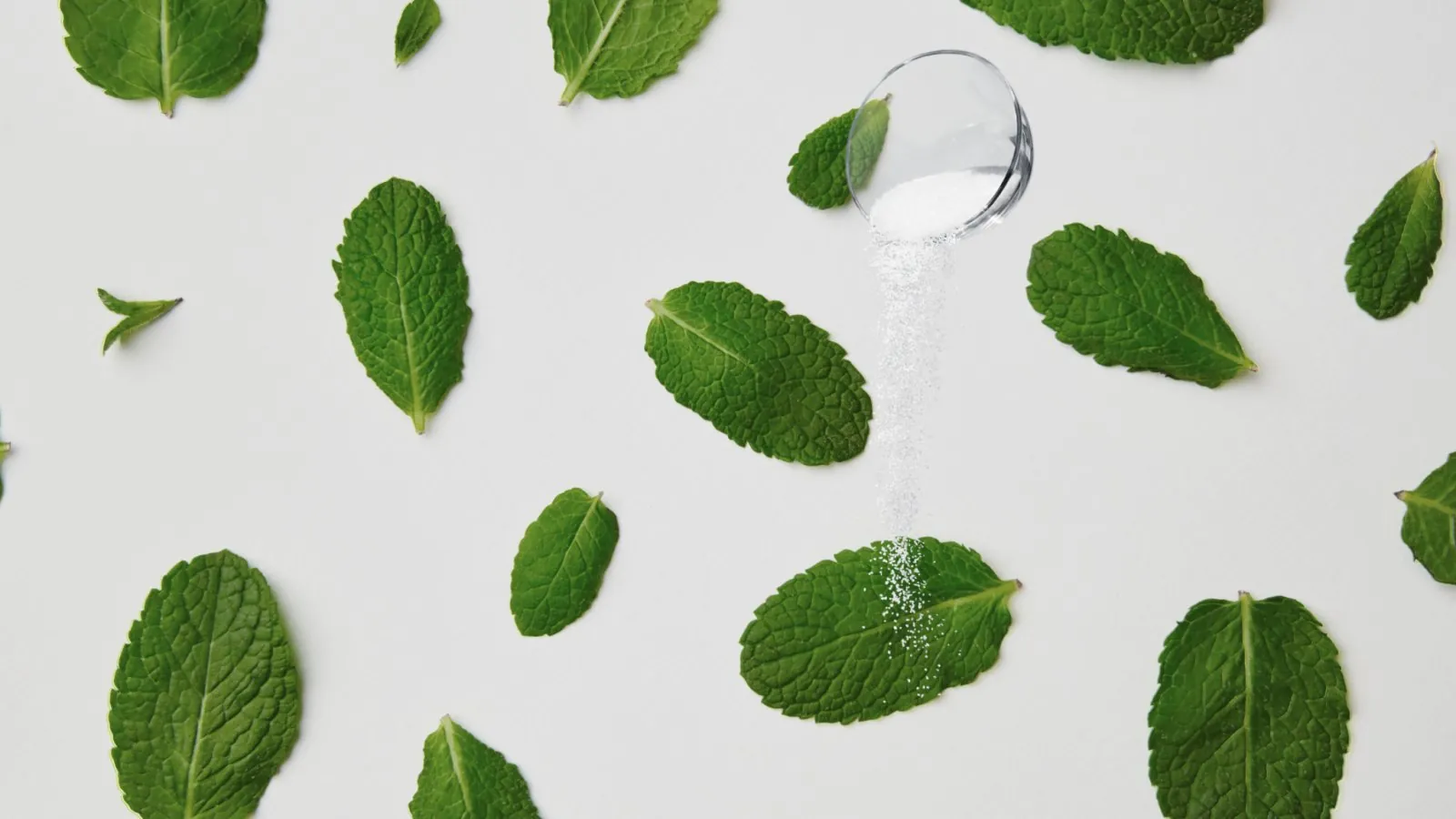
There are many reasons to avoid consuming sugar. But not all sweeteners are a much healthier choice. For our Compass pastilles, we consciously select our ingredients. The same goes for sweetness.
Why not sugar?
Sugar and its various forms belong to the carbohydrates and is produced in the typical table sugar mainly from sugar cane or sugar beet. Too much sugar can lead to bad teeth, overweight and resulting secondary diseases such as diabetes or cardiovascular disease. What do we do when we want it cute?
Common sugar substitutes and their disadvantages
Widely used in the food industry is the sweetener aspartame, which has the typical sweetener taste. In some studies, aspartame has been listed with negative effects, which is why we do not use it in our pastilles. Acesulfame-K is another common sweetener, but it is never used, for example, in the production of children's food, as there is still no reliable information for the maximum intakes. In addition, acesulfame-K is produced in a very complicated manner and is therefore not particularly useful from an ecological point of view.
What sweeteners we use for Compass Mints
Sucralose: With its pleasant sweetness, it can be combined well with other ingredients and is largely excreted unchanged. Sucralose is made from sucrose, the typical table sugar. It tastes like sugar, but is free of calories and does not damage the teeth.
Xylitol: Formerly mostly from birches, today xylitol is mainly obtained from maize and grain. This substance occurs naturally in many types of vegetables and fruits. Xylitol can promote dental health by reducing the formation of dental plaque and the growth of caries bacteria and by decreasing the acid-related decalcification of the teeth.
Sorbitol: Sorbitol occurs naturally in pome and stone fruits, as well as dried fruits. Insulin is not required for metabolism and therefore sorbitol is often used in products for diabetics and in dietary foods. Sorbitol can also have a beneficial effect on dental health, as oral bacteria can hardly absorb it and thus do not degrade to tooth-damaging acid.